


Toyota
Improving infotainment systems at Toyota with Flutter
Toyota, one of the world's leading automotive manufacturers, faced a significant challenge with designing its infotainment systems. The role of the infotainment system is huge. It's what the customer sees when they first get in their vehicle, where the displays all light up and welcome all passengers. However, Toyota ran into challenges with bespoke platforms and suppliers that had their own way of building user experiences. They might spec something and then not see it for a year or two. When it came back, there was often not enough time to make changes, leading to compromises. Toyota wanted to have their hands on the steering wheel (no pun intended!) and control the customer user experience directly.
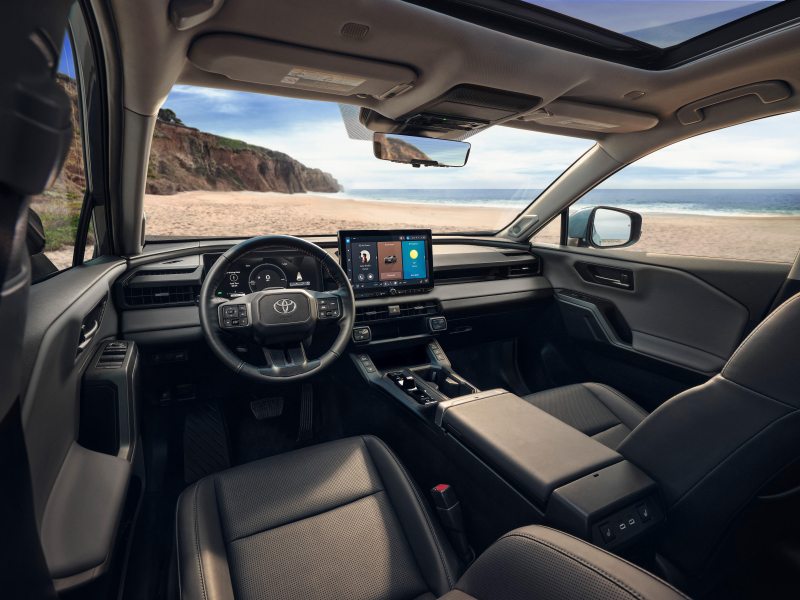
Why Flutter?
Toyota evaluated various platforms to find the best solution for the next generation of infotainment. Flutter stood out because of its qualitative experience; it felt more like a modern device than a kiosk when touching it. Additionally, cost was a significant factor. Many platforms are not open source and charge per seat, whereas Flutter offered an open-source solution. The team found Dart easy to learn, enabling them to jump in quickly. Flutter also enabled them to put designers and developers together, empowering them to sit down and solve problems together as feedback comes in.
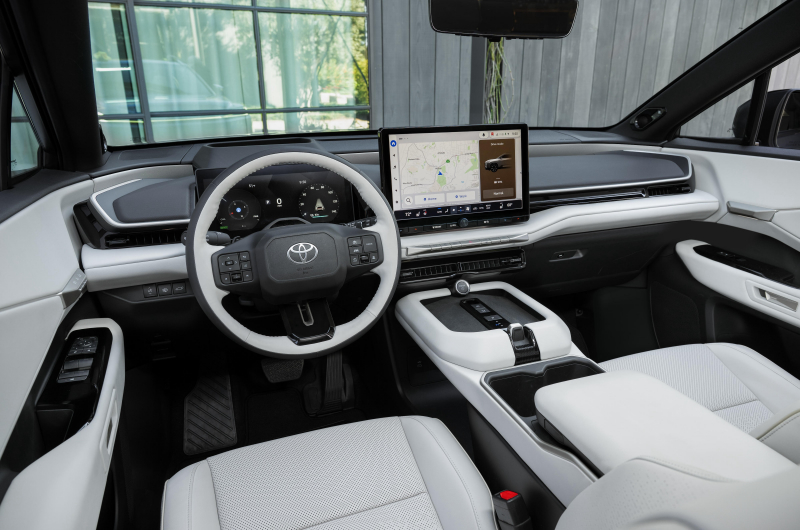
Their solution: Building with Flutter
Toyota built a custom embedder as one of their very first pieces of technology.
They easily created plugins to support automotive functions
that need to be accessed directly by the Flutter layers.
They leveraged Flutter DevTools, which are designed
with a great development workflow in mind,
even when targeting a vehicle instead of a phone.
The pub.dev ecosystem, particularly the provider package,
was a huge support and crucial for building their app.
Key results and business impact
By adopting Flutter, Toyota transformed its development process and achieved significant improvements:
- Rapid iteration: Feedback can now be put into code and working within the codebase within a single day, compared to waiting years in the past.
- Global collaboration: Teams across the globe, including North America, Europe and Japan, are all building on the same codebase.
- Cross-hardware agility: Flutter enabled them to efficiently develop for a variety of hardware.
- Expansion readiness: Following its debut on the 2026 Toyota RAV4 and 2026 Lexus ES, the system is fully prepared for a broader rollout to upcoming models like the 2027 Highlander and the 2027 Lexus TZ.